
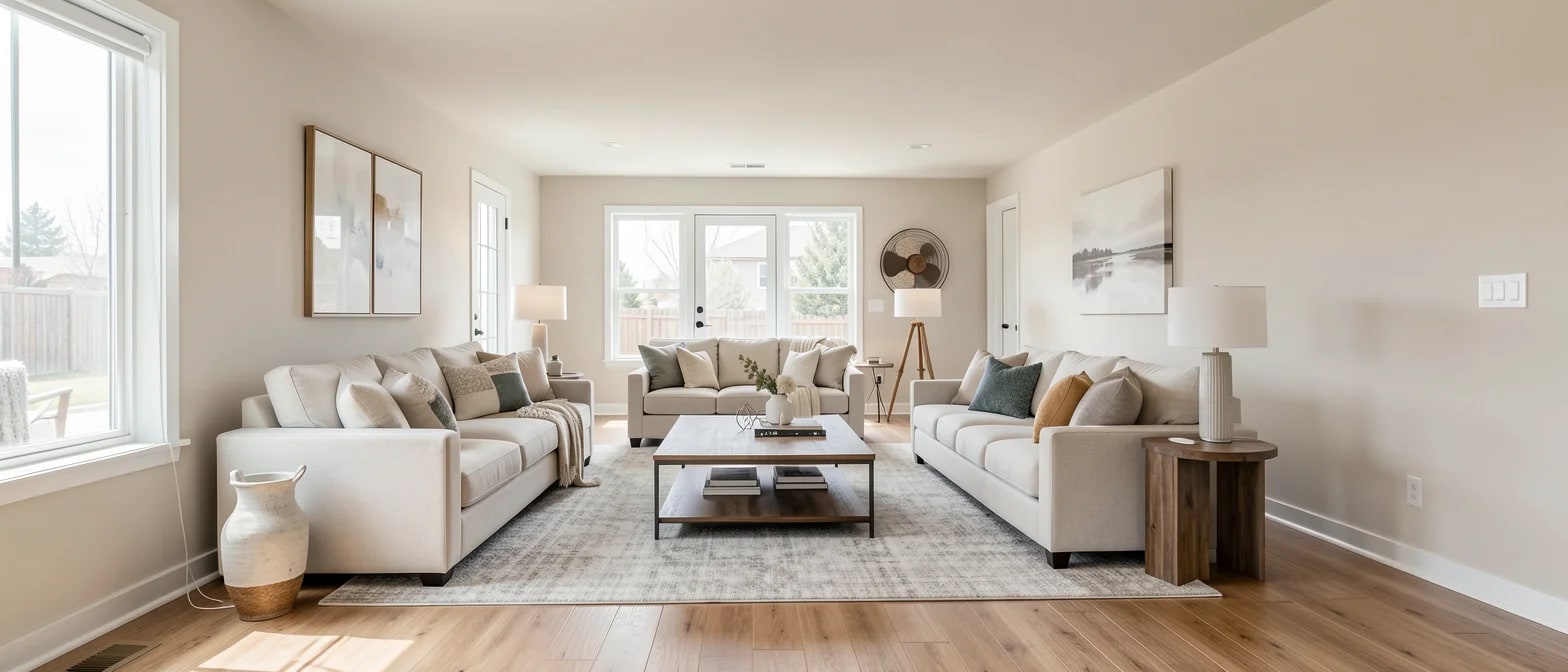
Buying in St. George offers more than sunshine and scenery. For many buyers, the appeal is the combination of outdoor access, newer neighborhoods, varied housing options, and a pace of life that feels both active and relaxed. If you are considering a move to southern Utah, a thoughtful plan can help you compare communities, narrow your priorities, and move forward with confidence.
St. George has become a standout destination for buyers who want warm weather, striking red rock surroundings, and a lifestyle built around recreation, convenience, and everyday livability. Whether you are relocating from another part of Utah, moving from out of state, or simply looking for a better fit for your next chapter, the St. George area offers a wide range of possibilities. From established neighborhoods close to shopping and services to newer communities with modern homes and resort-style amenities, buyers can find options that support very different goals.
What makes the area especially appealing is that no two parts of greater St. George feel exactly the same. Some buyers want easy access to golf, hiking, and low-maintenance living. Others are focused on family-friendly neighborhoods, proximity to schools, or a home with room for guests and hobbies. The key is not just deciding that you want to live in southern Utah, but understanding which part of the area best matches how you want to live day to day.
Why Buyers Are Drawn to the St. George Area
For many people, the first attraction is obvious: the landscape. Southern Utah offers a dramatic natural setting that feels different from almost anywhere else in the state. Red rock views, desert light, and wide-open skies create a strong sense of place. But the appeal goes beyond scenery. Buyers are often drawn to St. George because it supports an active lifestyle without requiring a major-city pace.
Outdoor recreation is woven into everyday life here. Hiking, biking, golf, walking trails, and nearby state and national parks all contribute to the area’s identity. Even for buyers who are not looking for adventure every weekend, there is real value in living somewhere that encourages time outside and offers beautiful surroundings year-round.

Climate is another major factor. Buyers who prefer mild winters and abundant sunshine often see St. George as a practical lifestyle choice, not just a scenic one. The warmer environment can be especially attractive for retirees, second-home buyers, and anyone hoping to spend more time outdoors throughout the year. That said, climate should be evaluated honestly. Southern Utah’s heat is part of the package, and buyers should think carefully about how seasonal temperatures align with their comfort and routines.
The best move is not choosing the most popular neighborhood. It is choosing the area that fits your daily habits, preferred pace, and long-term plans.
St. George and Nearby Communities: What Feels Different?
One of the most important steps in a St. George home search is understanding the differences between nearby communities. Buyers often use “St. George” as a catch-all term, but the broader area includes places with distinct personalities, housing styles, and lifestyle advantages.
Central St. George often appeals to buyers who want convenience. Depending on the neighborhood, you may find easier access to shopping, dining, medical services, parks, and established residential streets. This can be a strong fit for buyers who want to stay close to everyday essentials and enjoy a more connected in-town feel.
Washington is frequently considered by buyers looking for a balance of accessibility and newer development. Many people appreciate its residential growth, neighborhood variety, and proximity to St. George while still offering its own identity.
Ivins tends to attract buyers who value scenery, a quieter atmosphere, and a setting that feels especially close to the red rock landscape. It can be appealing for those who want a more distinctive desert backdrop and a slightly different pace.
Santa Clara is often noted for its charm, community feel, and attractive residential areas. Buyers who want a neighborhood-oriented environment sometimes find it especially appealing.
These distinctions matter because the right purchase is rarely just about the house itself. Commute patterns, access to recreation, neighborhood design, lot sizes, and the overall feel of an area can all shape whether a home continues to feel right over time.
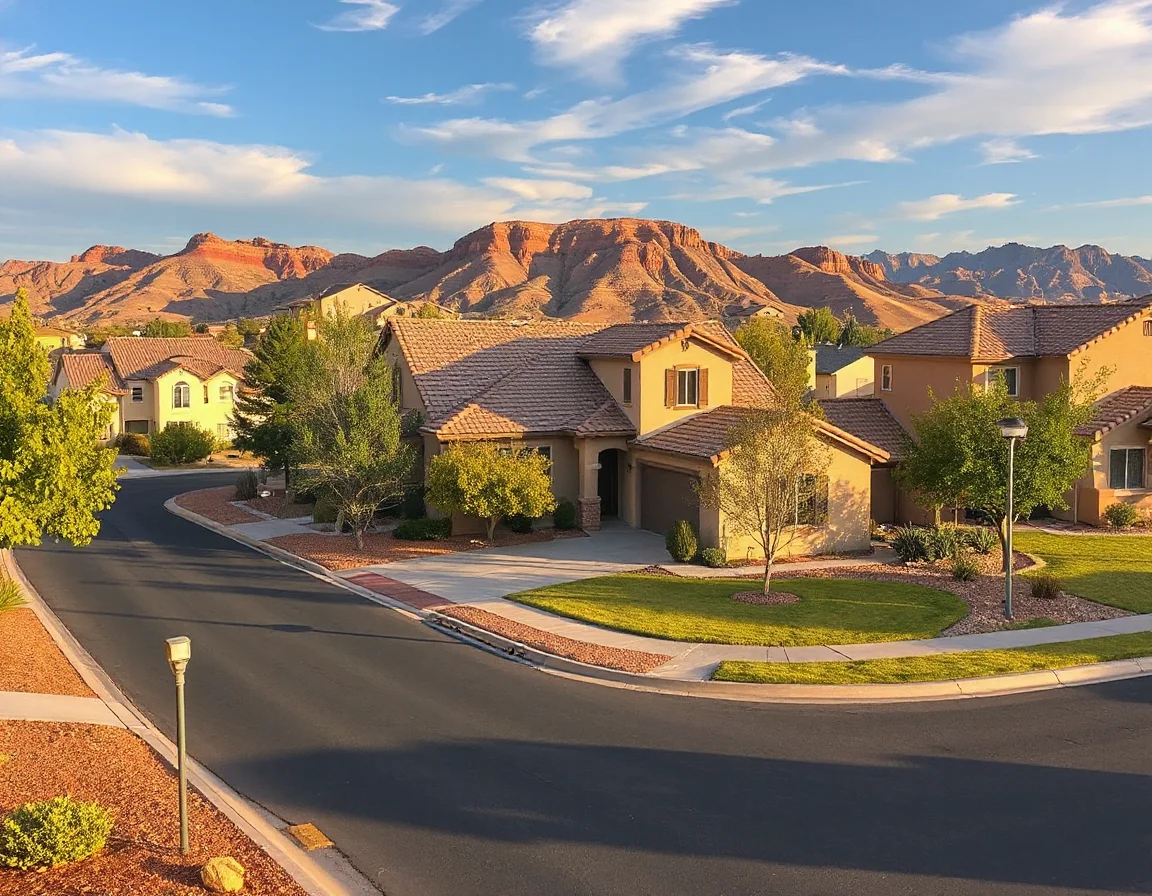
Retirement, Relocation, and Lifestyle Planning
St. George is a natural conversation point for retirement and relocation buyers, but those moves deserve careful planning. A beautiful setting and favorable climate can absolutely support a rewarding next chapter, yet buyers should still evaluate the practical side of the transition.
If you are relocating, think beyond the home and consider how the area will support your routines. How close do you want to be to healthcare, shopping, social opportunities, and transportation routes? Do you want a lock-and-leave property, a single-level layout, or a home with guest space for visiting family? Are you looking for an age-restricted community, or do you prefer a mixed neighborhood with a broader range of residents?
For retirement buyers, maintenance level is often just as important as square footage. A home that looks ideal on paper may not be the best fit if the yard, stairs, or layout create challenges later. For out-of-area buyers, it is also wise to spend time in different parts of the region before making a decision. A neighborhood that feels perfect during a quick visit may feel different once you imagine daily life there.
Relocation success often comes down to clarity. When buyers define how they want to live before they choose where to live, better decisions usually follow.
What to Evaluate in Neighborhoods and Property Types
Because the St. George area offers a broad mix of homes, buyers benefit from narrowing their criteria early. Start with the basics: budget, preferred location, home size, and must-have features. Then go deeper into the details that affect long-term satisfaction.
In neighborhoods, consider:
- Access and convenience: How close are you to grocery stores, dining, medical care, schools, golf, trails, or major roads?
- Neighborhood character: Does the area feel quiet, active, established, newer, private, or highly social?
- Lot and outdoor space: Do you want low maintenance, room to entertain, space for pets, or a view-oriented setting?
- HOA structure: If applicable, what services, amenities, and restrictions come with the community?
- Future fit: Will the neighborhood still work for you if your needs change over the next several years?
In property types, think about how different options support your goals. A condo or townhome may offer convenience and reduced upkeep. A single-family home may provide more privacy, flexibility, and outdoor space. A newer home may reduce immediate maintenance concerns, while an older property may offer a more established setting or a different value proposition.
Buyers should also pay attention to orientation, shade, outdoor living areas, and energy-related considerations that can matter in a desert climate. Features that seem secondary during a quick showing can become much more important once you are living in the home full time.
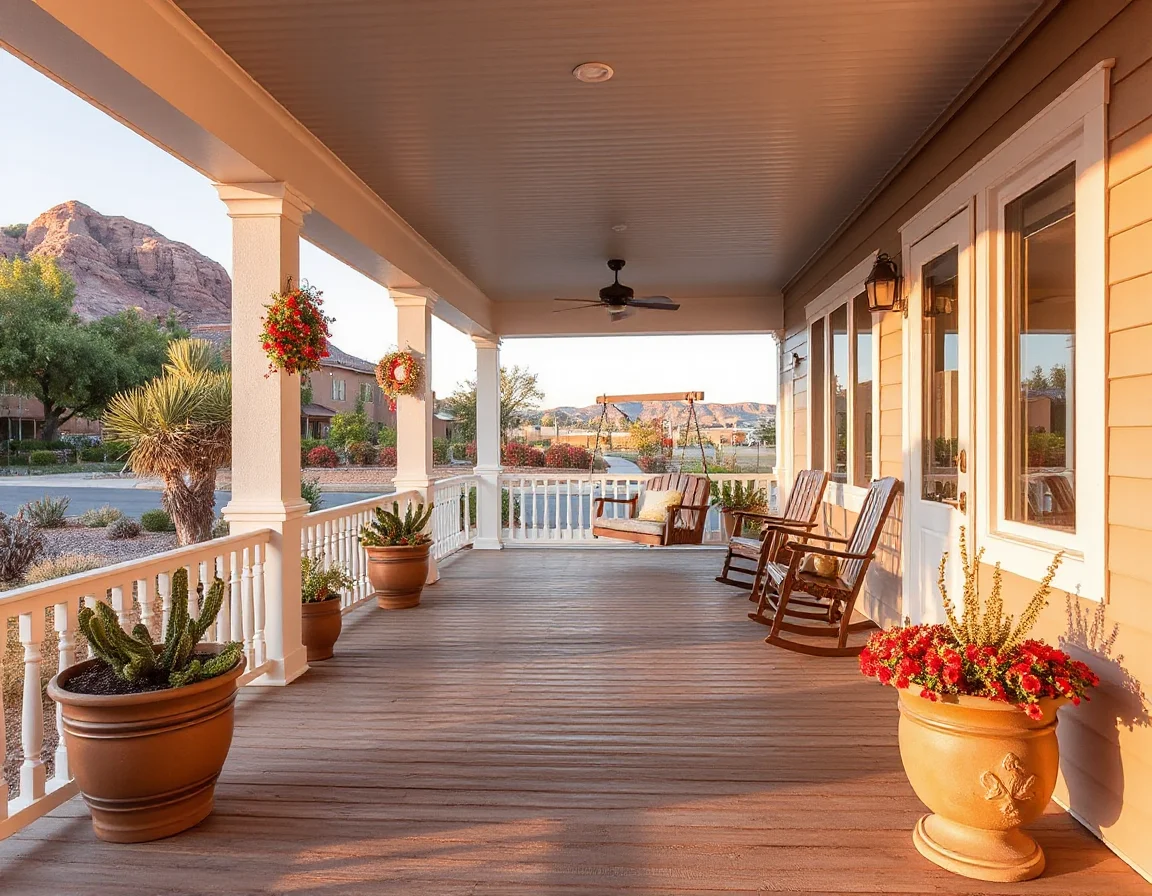
How to Prepare for a Confident Purchase
A confident purchase starts well before you write an offer. Preparation helps buyers move with less stress and better judgment, especially in an area where lifestyle and location play such a large role in the decision.
Begin by getting clear on your financing and comfort range. Knowing what you can afford is important, but so is knowing what monthly payment feels sustainable for your broader lifestyle. If you are relocating, build in room for moving costs, setup expenses, and any changes that come with a new area.
Next, define your priorities in order. Separate true must-haves from preferences. For example, proximity to golf or hiking may be a bonus, while a single-level floor plan or guest suite may be essential. This kind of clarity helps you compare homes more effectively and avoid getting distracted by features that do not actually support your goals.
It is also smart to tour with a critical eye. Look beyond finishes and staging to evaluate layout, storage, natural light, outdoor usability, and how the home functions in the climate. Ask questions about the neighborhood, community expectations, and the practical realities of ownership in that location.
Finally, work with a local real estate professional who can help you compare areas, identify tradeoffs, and keep the process grounded in your priorities. In a market like St. George, local guidance can be especially valuable because so much of the decision comes down to fit, not just price or square footage.
Finding the Right Fit in Southern Utah
Buying in the St. George area is about more than securing a property. It is about choosing a setting for your next season of life. For some buyers, that means a low-maintenance home near golf and recreation. For others, it means a full-time residence in a neighborhood that supports family life, visiting guests, or a fresh start in a new part of Utah.
The good news is that St. George offers meaningful variety. With the right preparation, a clear sense of priorities, and guidance tailored to your goals, you can approach the process with confidence and make a decision that feels right both now and in the years ahead.
If you are considering a home purchase in the St. George area, our team would be glad to help you explore neighborhoods, compare property options, and navigate the process with local insight and buyer-focused guidance.