
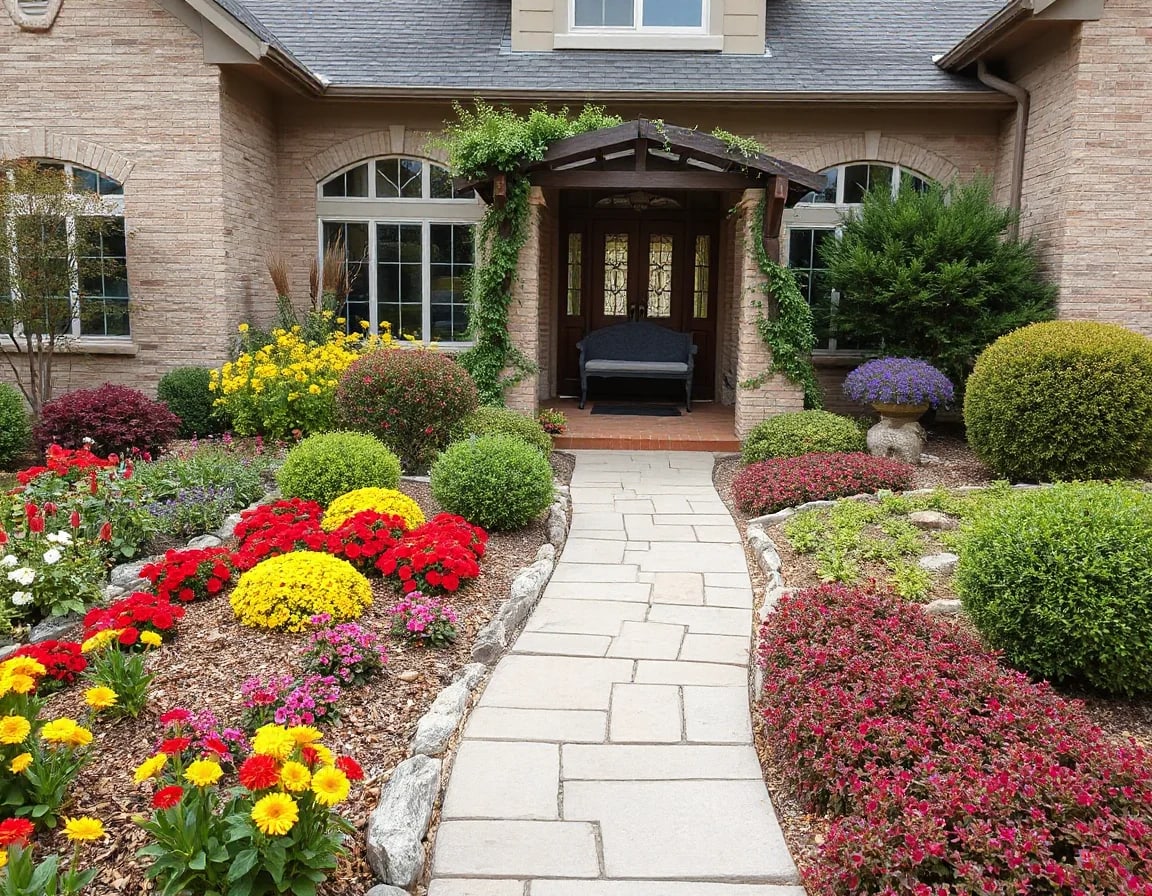
Thoughtful staging helps Utah sellers present a home in its best light before it ever hits the market. By simplifying each room, improving flow, and highlighting comfort and function, you make it easier for buyers to picture themselves living there. A well-prepared home often feels more inviting online and in person, which can support stronger interest when it is time to list.
Before a home goes on the market, staging is one of the most practical ways to shape how buyers experience the space. It is not about making a house look artificial or overly decorated. Good staging is about helping a property feel clean, bright, spacious, and easy to understand from the moment someone sees the first photo to the moment they walk through the front door.
For Utah sellers, that matters because buyers often make quick decisions based on first impressions. If a room feels crowded, dark, or overly personal, it can distract from the home itself. When a home is staged well, buyers are more likely to notice the layout, storage, natural light, and overall livability instead of focusing on what needs to be changed.
Why staging matters before you list
Staging works because it helps buyers emotionally connect with a home while also making the property easier to evaluate. Most buyers are not walking through a house with a designer's eye. They are trying to answer simple questions: Will my furniture fit here? Does this room feel comfortable? Can I imagine my routine in this kitchen, bedroom, or backyard?
When the answers feel obvious, buyers tend to feel more confident. Staging supports that confidence by removing distractions and emphasizing the features that matter most. It can also help listing photos look cleaner and more polished, which is especially important because many buyers decide whether to schedule a showing based on the online presentation alone.
The goal of staging is not to impress buyers with decor. The goal is to make the home feel easy to say yes to.
That does not mean every seller needs to rent designer furniture or complete a major makeover. In many cases, the most effective staging steps are simple: edit what is in the home, improve lighting, create better furniture flow, and make each room feel purposeful.
Start with first impressions
Buyers begin forming opinions before they ever step inside. The exterior, entry, and first few moments of a showing set the tone for everything that follows. If the front approach feels neglected or cluttered, buyers may assume the same is true throughout the home.
Start by looking at the property the way a buyer would. Walk up from the street or driveway and notice what stands out. Is the porch clean? Is the front door in good condition? Are there dead plants, worn mats, or too many seasonal decorations? Small details can make a big difference.
Simple improvements often go a long way:
- Sweep and wash entry areas so the home feels cared for.
- Trim landscaping and remove anything overgrown or distracting.
- Add a fresh doormat or simple planter for a welcoming touch.
- Check the front door hardware and paint if the entrance needs a refresh.
- Make sure exterior lighting works for evening showings and added warmth.
Inside the entry, keep the space open and clean. If shoes, bags, coats, or pet items tend to collect there, create a temporary system to keep them out of sight during the listing period.
Declutter before you decorate
One of the biggest staging mistakes sellers make is adding more when they really need less. Buyers respond best to rooms that feel open and easy to move through. Too much furniture, too many accessories, and crowded shelves can make even a large home feel smaller.
Decluttering does not mean stripping the home of all personality. It means editing the space so the home itself becomes the focus. Start with visible surfaces such as kitchen counters, bathroom vanities, coffee tables, nightstands, and open shelving. Then move to closets, pantries, and storage areas, because buyers will open those too.
A helpful rule is to remove enough so each room feels calm and spacious. That may mean packing away extra chairs, bins, toys, small appliances, or decorative items. If you are preparing to move anyway, this is a smart time to begin boxing up what you do not need every day.
Closets deserve special attention. A packed closet can suggest the home lacks storage, even if the square footage is generous. Leaving some breathing room on shelves and hanging rods helps storage areas feel more functional.
Depersonalize so buyers can picture themselves there
Depersonalizing is one of the most important parts of staging, and it is often the most emotional. Family photos, personalized decor, collections, children's artwork, and highly specific design choices make a home feel lived in, but they can also make it harder for buyers to imagine it as theirs.
This does not mean the home should feel cold. It should still feel warm and welcoming. The difference is that the warmth should come from cleanliness, light, texture, and thoughtful arrangement rather than from personal identity.
Focus on removing or minimizing:
- Large family photo walls
- Bold niche collections
- Personal memorabilia
- Highly specific seasonal decor
- Excess refrigerator magnets, notes, and papers
If a buyer spends more time noticing your personal story than the room itself, the staging is working against you.
Neutralizing a space helps buyers mentally move in. They can more easily imagine where their sofa would go, how they would use the dining area, or what the bedroom would feel like at the end of the day.
Use lighting to make the home feel brighter and larger
Lighting has a major effect on how a home feels in photos and in person. Dark rooms can seem smaller, older, or less inviting, even when the layout is strong. Bright rooms tend to feel cleaner, fresher, and more open.
Before listing, open blinds and curtains to maximize natural light where privacy allows. Clean the windows so more light comes through. Replace burned-out bulbs and make sure the color temperature is consistent from room to room. Mixed lighting can feel distracting, while a cohesive warm or soft-white glow feels intentional.
Also consider lamp placement. A floor lamp in a dim corner or a table lamp in a bedroom can add warmth and balance. During showings, turning on lights throughout the home helps create a more welcoming atmosphere and reduces shadows.
Rethink furniture placement for flow
Furniture placement can either highlight a room's size and purpose or make it feel awkward. One of the easiest staging upgrades is rearranging what you already own to improve flow. Buyers should be able to move comfortably through each room and quickly understand how the space functions.
Pull oversized pieces away if they crowd walkways. Remove extra side tables or chairs if they make the room feel tight. In living areas, create a conversation zone that feels grounded and open rather than pushing every piece against the wall. In bedrooms, make sure the bed placement feels natural and leaves enough room to move around comfortably.
Every room should have a clear purpose. If a spare room has become a mix of office, storage, and workout space, simplify it. Buyers respond better when they can immediately identify a room as a guest bedroom, office, or flex space instead of trying to decode it.
Prepare key rooms with extra care
While the whole home matters, some rooms carry more weight than others. Kitchens, living rooms, primary bedrooms, and bathrooms tend to leave the strongest impression, so they deserve extra attention.
Kitchen
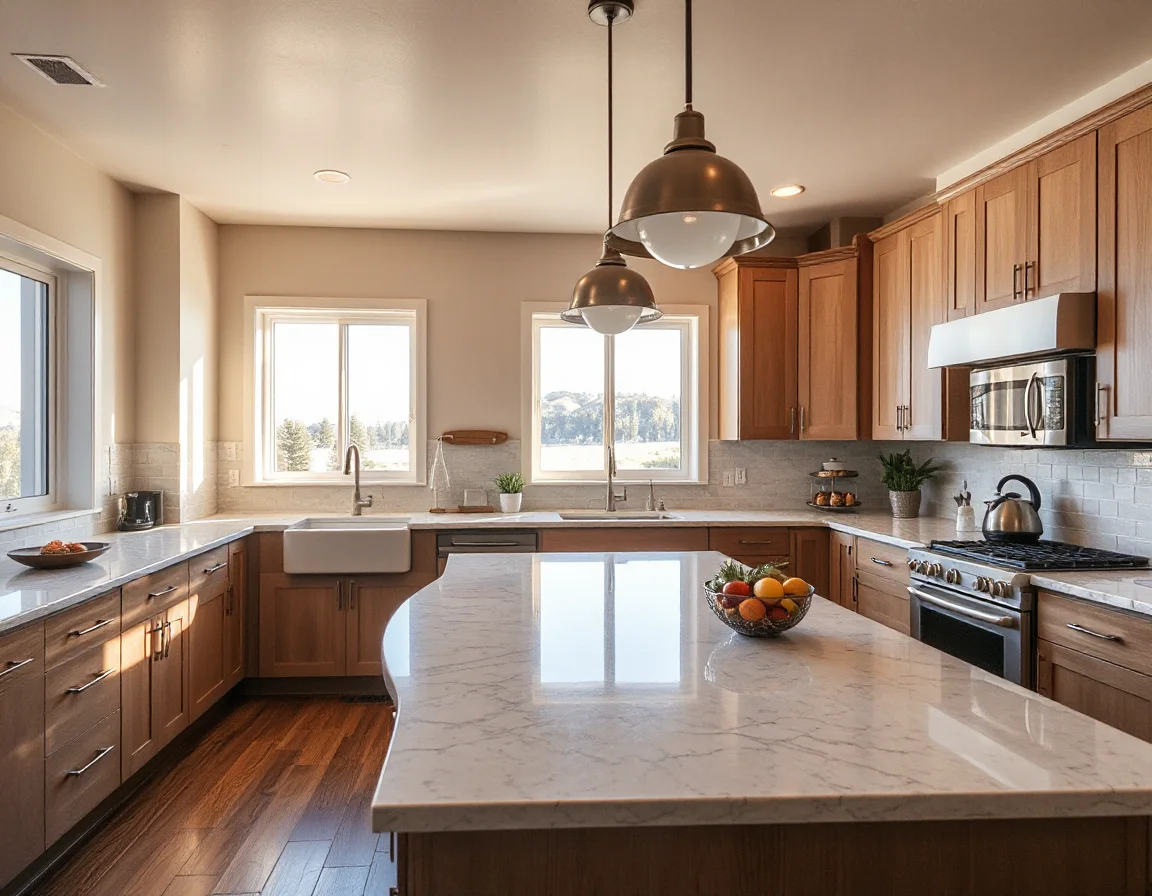
Keep counters as clear as possible. A few intentional items, such as a bowl of fruit or a simple tray, can work well, but avoid visual clutter. Store away small appliances you do not use daily. Make sure sinks are spotless and cabinet fronts are clean.
Living room
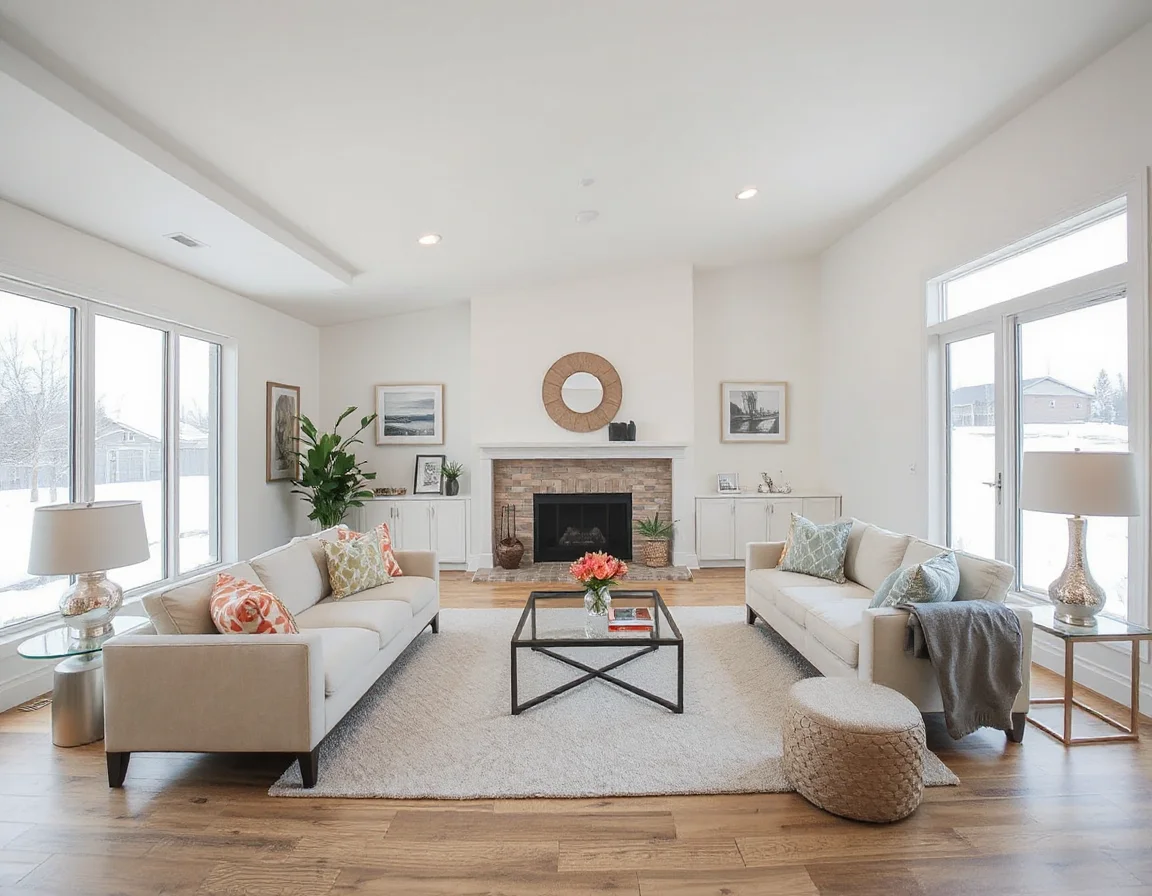
Use this space to communicate comfort and scale. Arrange seating so the room feels conversational and open. Remove anything that blocks windows or makes the room feel crowded. Add simple textiles if needed, but keep the palette calm and cohesive.
Primary bedroom
The primary bedroom should feel restful. Crisp bedding, fewer personal items, and uncluttered nightstands can make a big difference. If the room is tight, removing one piece of furniture may help it feel larger.
Bathrooms
Bathrooms should feel clean, bright, and lightly styled. Put away most personal products, replace worn towels, and keep surfaces clear. Fresh white or neutral towels often photograph well and create a spa-like impression.
Do not overlook curb appeal
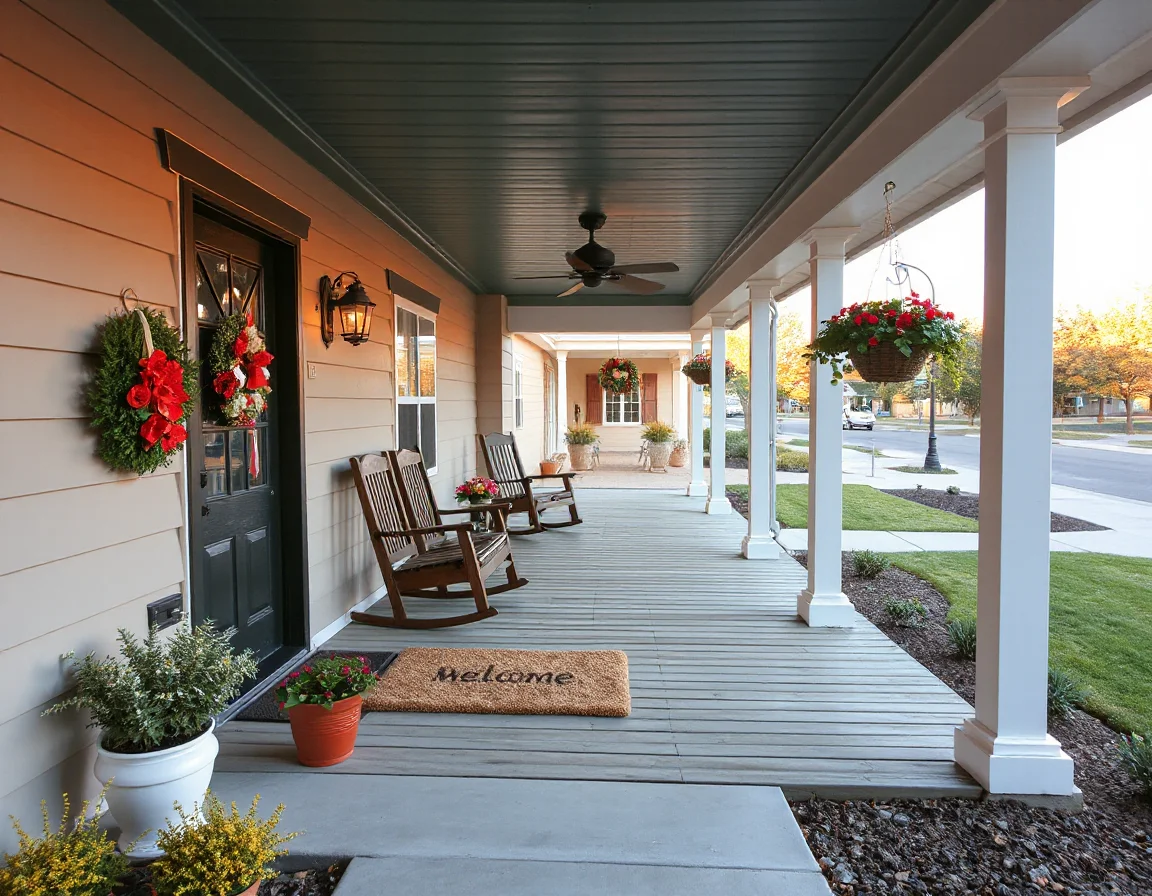
Curb appeal is part of staging too. Buyers often decide how they feel about a property before they reach the lockbox. A neat exterior suggests the home has been maintained, while a neglected one can create doubt before the showing even begins.
Focus on the basics first: mow the lawn, edge where needed, trim shrubs, remove weeds, and clear away anything broken or unnecessary. If outdoor furniture is visible, keep it clean and simple. If the season allows, a few healthy plants can add color without making the exterior feel busy.
Garages, side yards, and patios matter as well. Buyers notice whether these spaces feel usable. Even if they are not fully staged, they should feel clean, organized, and easy to understand.
Keep the result practical and livable
The best staging feels believable. Buyers should walk in and think, I could live here, not This looks untouchable. That is why practical, evergreen staging usually works better than overly trendy styling. Clean lines, neutral tones, open surfaces, and comfortable layouts tend to appeal to the widest range of buyers.
If you are unsure where to start, begin with the rooms buyers care about most and the issues that create the biggest distractions. You do not have to do everything at once. A thoughtful plan, completed step by step, can transform how the home is perceived.
Staging is ultimately about helping buyers see the value of what is already there. When your home feels bright, cared for, and easy to imagine living in, you give your listing a stronger foundation from day one.
A smart step before listing
If you are getting ready to sell in Utah, staging is one of the most effective ways to prepare your home for photos, showings, and buyer feedback. Before you list, our team can help you identify which updates will have the biggest impact so you can focus your time and energy where it counts most. Reach out for guidance if you want a clear plan for getting your home market-ready.