
7 Lehi Buyer Tradeoffs That Matter More Than Square Footage
The Lehi Home Search Gets Better When You Stop Chasing Size Alone
It is easy to get distracted by a bigger number on a listing sheet. More square footage sounds like more value, more comfort, and more future flexibility. But in Lehi, Utah, buyers often discover that the smartest purchase is not the largest home on the tour list. This fast-growing part of Utah County rewards careful tradeoffs: commute patterns, neighborhood feel, lot usability, finish quality, and long-term resale appeal can matter far more than an extra bonus room you rarely use.
That is especially true in a market where new construction, established neighborhoods, and mixed-use growth all sit close together. A home that looks impressive on paper may come with traffic headaches, little yard privacy, or a layout that does not really fit your daily life. By contrast, a slightly smaller property in the right pocket of Lehi can feel easier, calmer, and more financially sustainable for years to come.
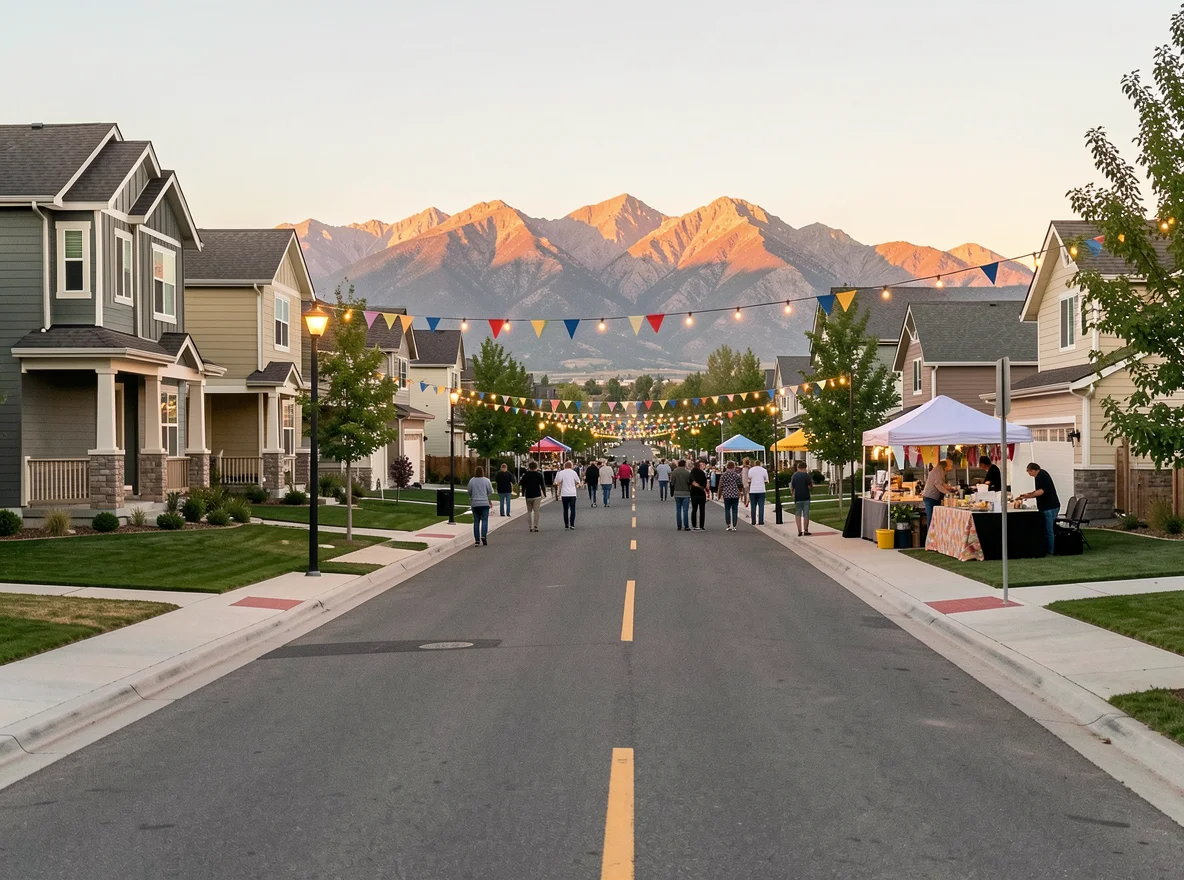
Tradeoff number one is location inside Lehi itself. Some buyers would be better served by choosing quicker access to I-15, Thanksgiving Point, Traverse Mountain, or the tech corridor over a larger floor plan farther from their regular routines. Minutes saved each morning and evening add up. Proximity to schools, trail systems, and shopping conveniences often shapes satisfaction more than a formal dining room ever will.
The second tradeoff is layout over raw size. A well-designed 2,600-square-foot home can live better than a chopped-up 3,200-square-foot one. Open gathering spaces, a practical mudroom, bedroom separation, storage where you actually need it, and natural light all matter. Buyers with remote or hybrid work schedules should think hard about whether they need a dedicated office, a flexible loft, or quieter rooms away from the main living area rather than simply “more house.”
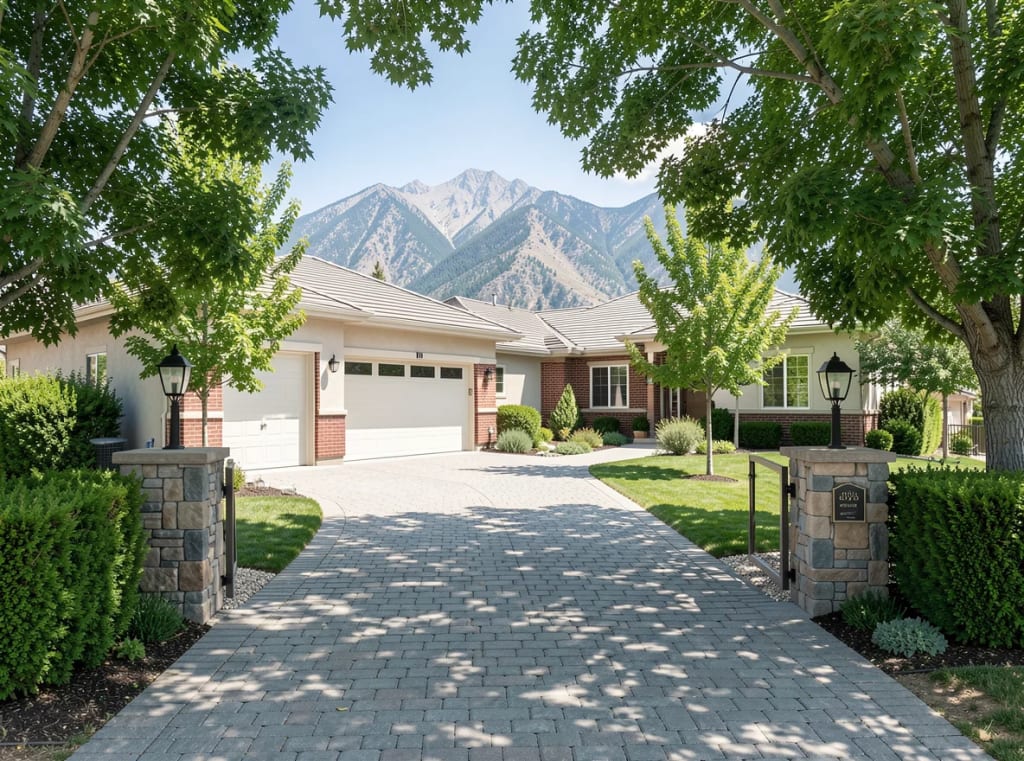
Third, lot function can beat interior expansion. Lehi buyers often want space for kids, pets, gardening, or simple outdoor entertaining. A smaller home with a usable backyard, better orientation, and more privacy may deliver a richer daily experience than a larger property that uses most of the lot footprint. In many cases, buyers remember how a home felt when they stepped outside just as much as how large the upstairs hallway seemed.
What Daily Life Really Costs in a Growing Utah Market
Another important tradeoff is monthly ownership cost beyond the mortgage. Larger homes can mean higher utility bills, more furnishing expense, more cleaning, and more maintenance. In a place like Lehi, where many buyers are balancing growth opportunities with real budget discipline, preserving margin for savings, activities, travel, or future upgrades can be a wiser move than stretching for every available square foot. The “bigger is better” instinct sometimes creates stress that follows buyers long after closing day.
Fourth, neighborhood maturity versus newness deserves real attention. Brand-new communities can be appealing, but established areas may offer larger trees, more settled traffic patterns, and a stronger sense of place. Newer subdivisions may provide modern finishes and energy efficiency, while older pockets can deliver better lot spacing and character. The right answer depends on whether you value immediate polish, future appreciation potential, or a neighborhood that already feels rooted.
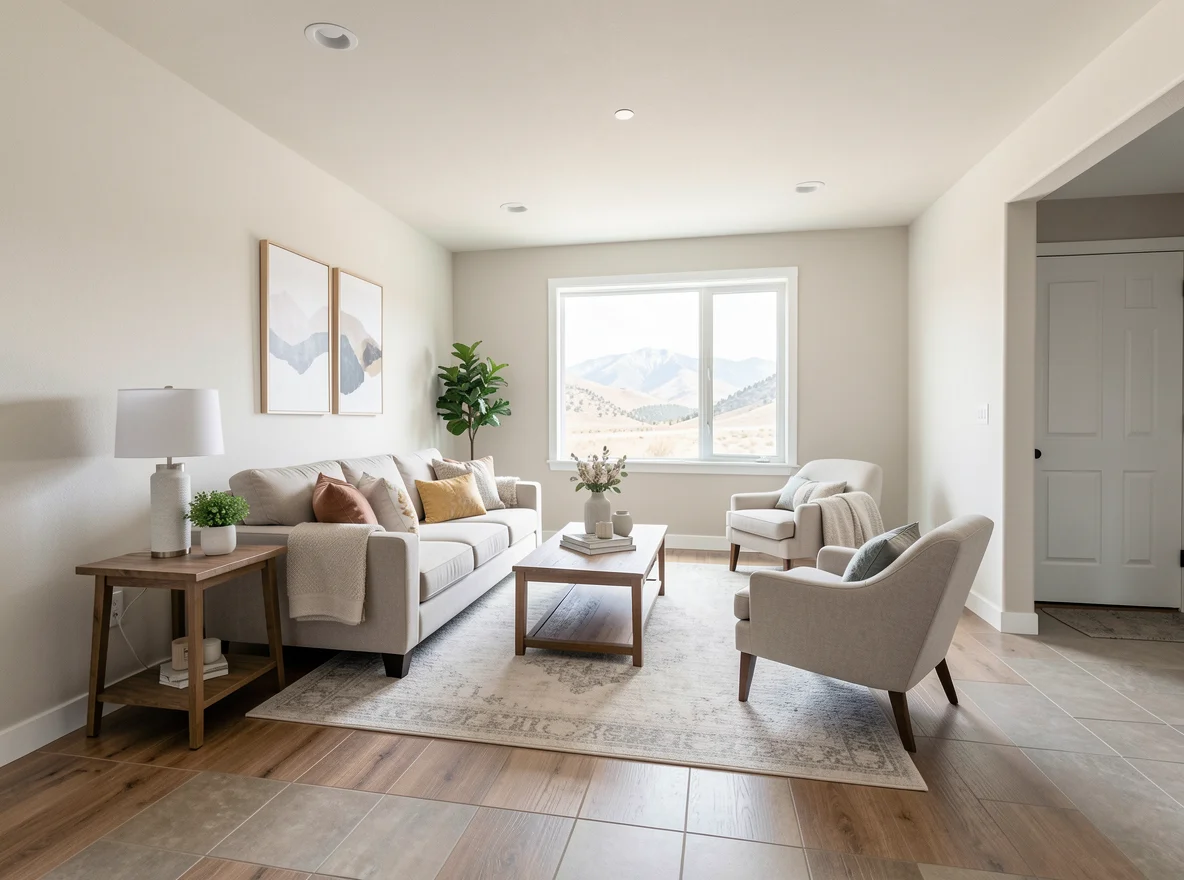
Fifth, finish quality often matters more than size. Buyers touring homes in Lehi should look closely at cabinetry, flooring, windows, insulation, and the overall feel of construction. A slightly smaller home with stronger materials and better upkeep can outperform a larger one that needs cosmetic and mechanical updates sooner than expected. This is not just about looks. It affects repair timelines, comfort, energy use, and resale confidence.
Sixth comes schools, amenities, and surrounding infrastructure. Even buyers without school-age children often care about school boundaries because they influence resale demand. Nearby parks, recreation options, trail access, and community gathering spaces also matter. Lehi offers convenient access to outdoor recreation throughout northern Utah, and buyers who prioritize that lifestyle may benefit more from a strategically located home than a bulkier property farther from the things they actually enjoy.
Dining and entertainment should not be ignored either. Being near Thanksgiving Point, local services, and major employment centers can make life feel more connected and efficient. The best home choice is often the one that supports how you want to spend weekdays and weekends, not the one that wins a square-footage comparison online.
The Best Lehi Purchase Usually Balances Today’s Needs With Tomorrow’s Options
Seventh, think about flexibility and resale instead of sheer size. Can the home adapt if a family grows, parents visit often, or work-from-home needs change? Does the floor plan make sense for a future buyer pool? In Lehi’s evolving market, broadly appealing homes tend to perform well: good storage, attractive outdoor space, a practical number of bedrooms, and a location that keeps commutes and errands manageable. These qualities often age better than oversized specialty rooms.
Real estate decisions are rarely just math. They are lifestyle decisions wrapped in budgets, emotions, and timing. That is why many buyers benefit from a broker-led process that moves at their pace rather than pushing them toward the largest possible purchase. A boutique approach can help identify what truly matters: convenience, comfort, long-term value, and the kind of home that supports everyday life instead of complicating it.
For buyers considering Lehi, the goal is not to win a contest for the biggest floor plan. It is to choose the property that fits your routines, your priorities, and your future with the least friction. When you focus on tradeoffs that actually shape daily living, square footage becomes just one factor instead of the deciding one. That shift usually leads to better decisions, stronger confidence, and a home that feels right long after move-in day.